

Welcome to our blog! More than just a blog about translation and languages, this is a place for stories, ideas and reflections. Here you’ll find technical articles alongside topics for every taste, all written in a warm, personal and conversational style. Some pieces are designed to inform, while others invite you to think, smile or see the world from a different perspective. From behind-the-scenes insights into the translation profession to reflections on communication, culture and much more, we write as though we’re having a conversation with you. Step in, explore, pick a title and let yourself be surprised. Who knows… you might just find the article you never knew you were looking for.

The Gender Gap
Diversity brings a wider variety of perspectives, experiences, and ideas that will help businesses thrive. Companies that embrace diversity can benefit from increased innovation, creativity, and problem-solving skills. They can also attract and retain top talent from diverse backgrounds. This alone shows that the diversity that women and minorities bring to businesses is essential.
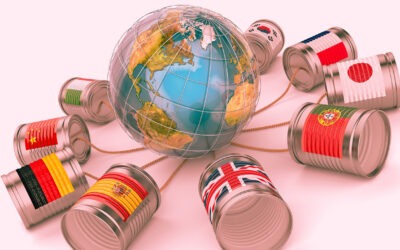
Marketing Translation 101
A professional translator can also ensure that the marketing translation is consistent, accurate, and compliant with the legal and ethical standards of the destination country.
In sum, when we say it must be done right, we mean only a professional skilled translator will allow you to reach audiences in other countries, getting the right message across.

Social Intelligence
People with a high SI are often curious and open-minded about others’ thoughts, feelings, and experiences. They usually show genuine interest and appreciation for others. They normally listen actively and attentively, and they know how to express their own emotions appropriately and respectfully. They may be skillful at adjusting their communication style and behavior to suit different situations.

How to Google Like a Rock Star
How many of us are actually knowledgeable in using search engines effectively and efficiently? How many of us waste time and effort reading through unhelpful or misleading results or miss out on important data because it’s hidden and harder to find?
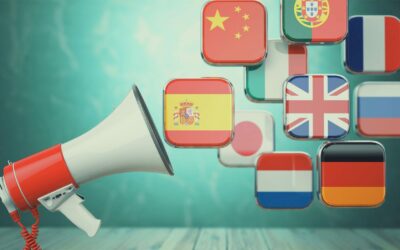
Translation as a Need, an Effort and a Profession
Translation has always been a source of innovation, communication, empowerment and transformation that has enriched and diversified languages, societies and cultures. It’s what has allowed us to interpret, translate and record our past so we can learn from it and know who we are as humans.

The Dark Side of Positivity
We are all flawed. We all occasionally experience sadness, anger, jealousy, resentment, fear, envy…. It’s healthy to acknowledge these feelings and try to better ourselves from there. But if we start dismissing, denying or repressing these emotions by refusing to acknowledge their existence, they will become toxic.

Are You Cut Out to Be a Translator?
Your mental health is important too, so make time for socializing because what “working from anywhere” really translates into (pun intended) is you’ll be spending a lot of your time at home, alone. Being a translator requires a lot of independence and resilience.

How to Boost Your Emotional Intelligence and Achieve More at Work
By improving your EQ, you can become a more effective and successful leader and a better coworker, leveraging on the ability to communicate effectively, collaborate productively, and influence positively.
A high EQ can help you inspire, motivate, and empower others, as well as help you express yourself clearly, give and receive feedback effectively, resolve conflicts, and recognize achievements.

How AI can help humanity (and not destroy it)
It’s called artificial intelligence (AI) because it has the ability to do things that are typical of human intelligence, such as reasoning, learning, creativity and planning. AI is a technology that allows machines and computerized systems to perform tasks that would normally require human intervention, such as recognizing images, understanding natural language, playing chess, composing music and much more.