But simply translating your site’s content isn’t enough to guarantee visibility. To truly connect with your target audience and climb up the search engine rankings, you need to master the art of multilingual keyword research.
And it’s more than just swapping one language for another; it’s about understanding the nuances and subtleties of language and the local search behavior.
Todos os artigos com a tag
All articles with tag
AI
Gender Bias in Machine Translation and the Importance of Diversity
In short, artificial Intelligence is a powerful and promising technology that can bring benefits and opportunities to translation, but it also presents risks and challenges that require human attention, care, and action. AI is neither neutral, infallible, nor impartial. It’s a reflection and product of human society, which is complex, dynamic, and diverse, but also has many issues, like discrimination, prejudice, racism, sexism, etc.
How AI can help humanity (and not destroy it)
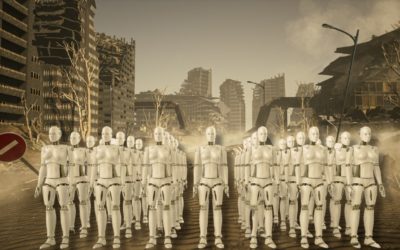
It’s called artificial intelligence (AI) because it has the ability to do things that are typical of human intelligence, such as reasoning, learning, creativity and planning. AI is a technology that allows machines and computerized systems to perform tasks that would normally require human intervention, such as recognizing images, understanding natural language, playing chess, composing music and much more.
7 ways AI can revolutionize communication and language learning
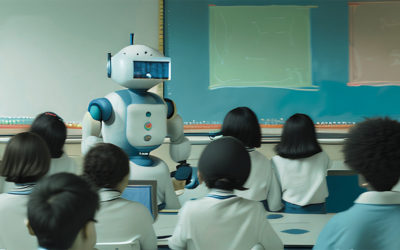
Communication and language are fundamental skills for humans, as they allow us to express our ideas, feelings, opinions and needs, and enable us to interact with others. We know communication isn’t always easy, especially when it involves different contexts such as different cultures and dialects. The same happens with language teaching and learning.
Beyond translation
But simply translating your site’s content isn’t enough to guarantee visibility. To truly connect with your target audience and climb up the search engine rankings, you need to master the art of multilingual keyword research.
And it’s more than just swapping one language for another; it’s about understanding the nuances and subtleties of language and the local search behavior.

Gender Bias in Machine Translation and the Importance of Diversity
In short, artificial Intelligence is a powerful and promising technology that can bring benefits and opportunities to translation, but it also presents risks and challenges that require human attention, care, and action. AI is neither neutral, infallible, nor impartial. It’s a reflection and product of human society, which is complex, dynamic, and diverse, but also has many issues, like discrimination, prejudice, racism, sexism, etc.
How AI can help humanity (and not destroy it)
It’s called artificial intelligence (AI) because it has the ability to do things that are typical of human intelligence, such as reasoning, learning, creativity and planning. AI is a technology that allows machines and computerized systems to perform tasks that would normally require human intervention, such as recognizing images, understanding natural language, playing chess, composing music and much more.
7 ways AI can revolutionize communication and language learning
Communication and language are fundamental skills for humans, as they allow us to express our ideas, feelings, opinions and needs, and enable us to interact with others. We know communication isn’t always easy, especially when it involves different contexts such as different cultures and dialects. The same happens with language teaching and learning.